Key takeaways
- A Powerwall 3 stores 13.5 kWh and delivers up to 11.5 kW continuously; with solar it can recharge every day during a long outage.
- A standby generator on natural gas can run for days without refueling, which makes it the safer choice for multi-day Public Safety Power Shutoffs.
- Without solar, a battery alone usually covers hours to about a day of essential loads, not a week.
- Many homes in fire-risk areas get the best of both: the battery covers short outages silently, the generator handles long events.
- The federal 30% tax credit for home batteries (Section 25D) ended for installations completed after December 31, 2025.
The short answer
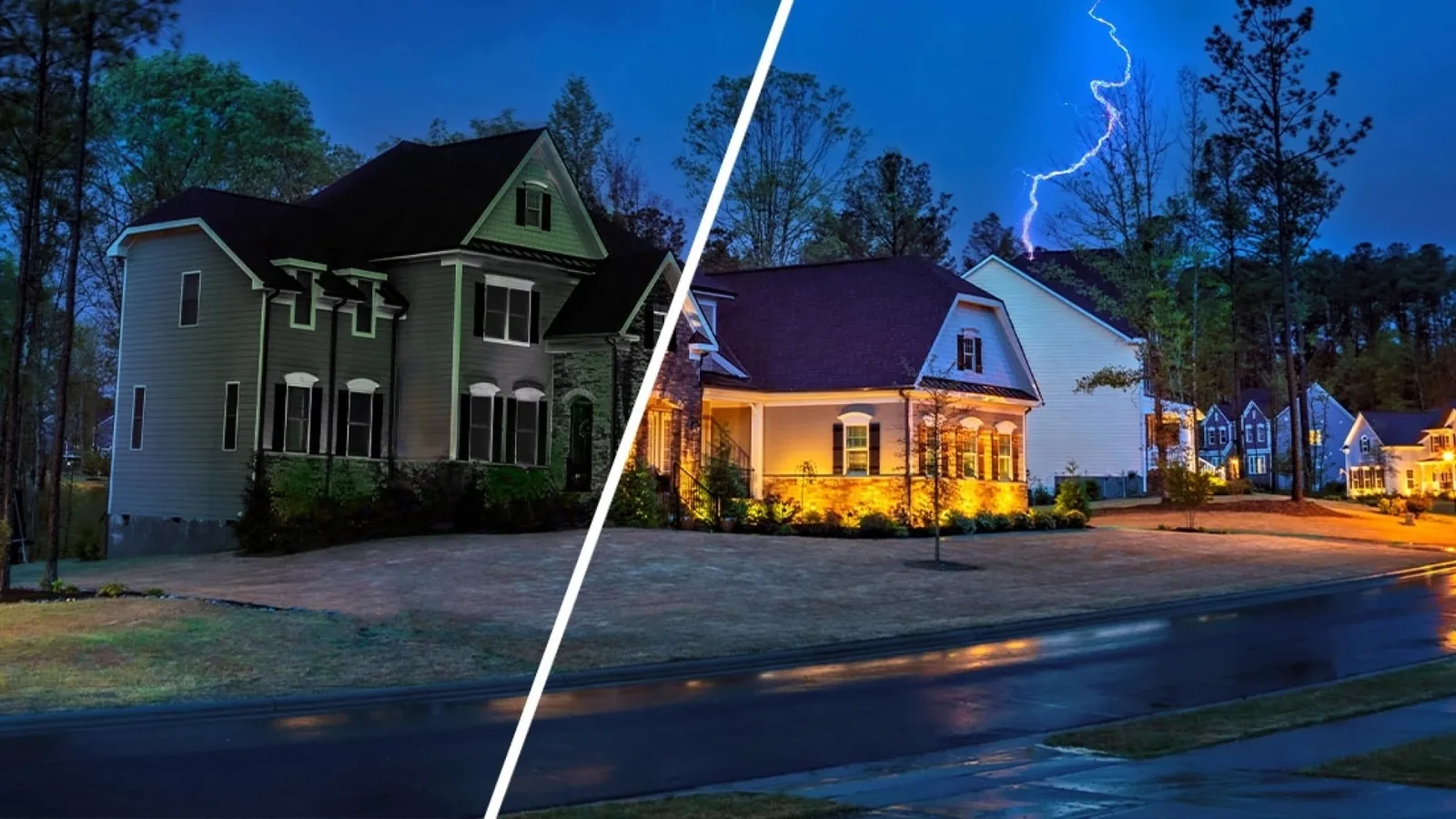
If your main worry is long Public Safety Power Shutoffs (PSPS) — the multi-day, wind-driven shutoffs that hit San Diego's backcountry and foothill communities — a natural-gas standby generator is the most dependable way to keep a whole home running for days. If your outages are usually short, you have (or want) solar, and you care about silence and daily savings, a Tesla Powerwall 3 is the better fit. In fire-risk areas, many homeowners install both.
How each one works during an outage
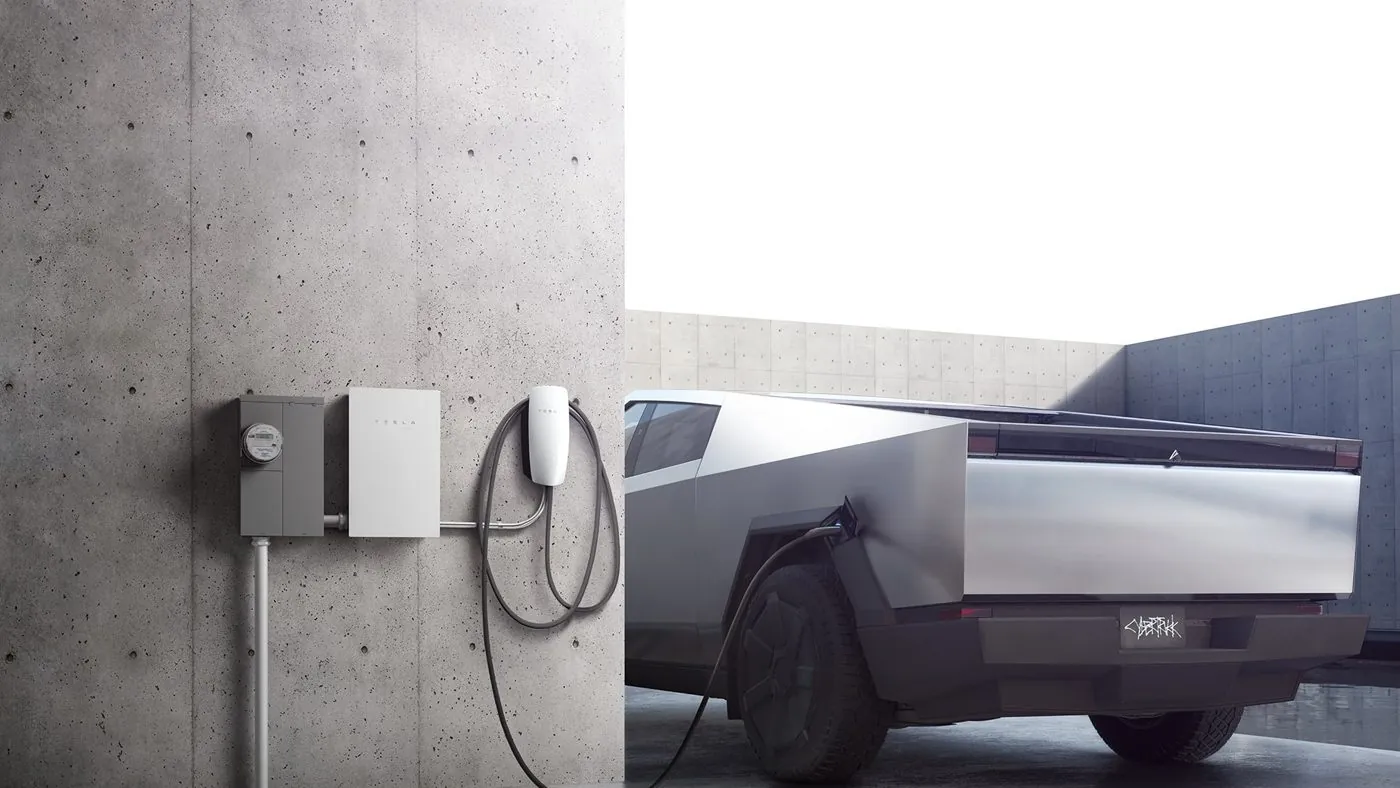
Powerwall 3 is a home battery with a built-in solar inverter. When the grid goes down, it disconnects your home from the grid and powers it from stored energy — you usually won't notice the switch. Each unit stores 13.5 kWh and can deliver up to 11.5 kW continuously, and it can start motor loads like an A/C compressor. With solar panels, it recharges during the day, so a sunny outage can be ridden out indefinitely if your usage is modest.
A home standby generator is a permanently installed engine-generator connected to your natural gas line or a propane tank and to an automatic transfer switch. When utility power fails, it starts on its own within seconds and runs until the grid returns. On natural gas it doesn't need refueling.
Side-by-side comparison
| Factor | Powerwall 3 | Standby generator |
|---|---|---|
| Runtime in a long shutoff | Hours to about a day without solar; longer with solar recharging | Days on natural gas; propane depends on tank size |
| Whole-home A/C | Possible with multiple units and load management | Yes, when sized correctly |
| Noise and emissions | Silent, no emissions | Audible when running; burns fuel |
| Everyday value | Stores solar and shifts use away from expensive time-of-use hours | Backup only |
| Maintenance | Minimal; software updates | Weekly self-test and annual service |
| Placement | Wall or floor, indoors or outdoors | Outdoors with manufacturer clearances from windows, doors and property lines |
What PSPS events mean for your choice
A PSPS is a planned shutoff during high wind and dry conditions to reduce wildfire risk. Power stays off until conditions improve and crews inspect the lines, which can take more than a day. In January 2025, thousands of SDG&E customers were without power across multiple days. Communities such as Ramona, Julian, Alpine, Valley Center, Fallbrook and Jamul are affected more often than coastal areas.
That's the scenario where fuel matters: a battery that can't recharge (no solar, or smoky, overcast days) will eventually run out, while a gas generator keeps going.
Incentives in 2026
- Federal tax credit: the 30% Residential Clean Energy Credit (Section 25D), which covered home batteries, does not apply to installations completed after December 31, 2025.
- California SGIP: in SDG&E territory, new applications are limited to the income-qualified equity budget and are currently waitlisted. We check the current status for every quote.
- Generators generally don't qualify for battery incentives, but financing is available.
Our recommendation by situation
- Coastal home, short outages, solar or planning solar: Powerwall 3.
- Fire-risk area, well pump, medical equipment or large A/C loads: standby generator, or both.
- No room for a generator or strict HOA noise rules: Powerwall 3 with load management.
- Want silent everyday savings and unlimited backup: Powerwall 3 plus a generator, designed to each manufacturer's supported configuration.
Common questions