Key takeaways
- Most San Diego panel upgrades need a city or county electrical permit and coordination with SDG&E to disconnect and reconnect service.
- If you're only replacing the panel at the same size, it is often a same-day swap with a scheduled disconnect, inspection and reconnect.
- If you're increasing service size (for example 100A to 200A), SDG&E reviews the request and may need to upgrade its equipment first.
- SDG&E's published target for main panel upgrades is 30 business days on average and 45 business days maximum.
- A load calculation tells you whether you need a bigger service at all — load management can sometimes avoid it.
Two kinds of panel upgrades
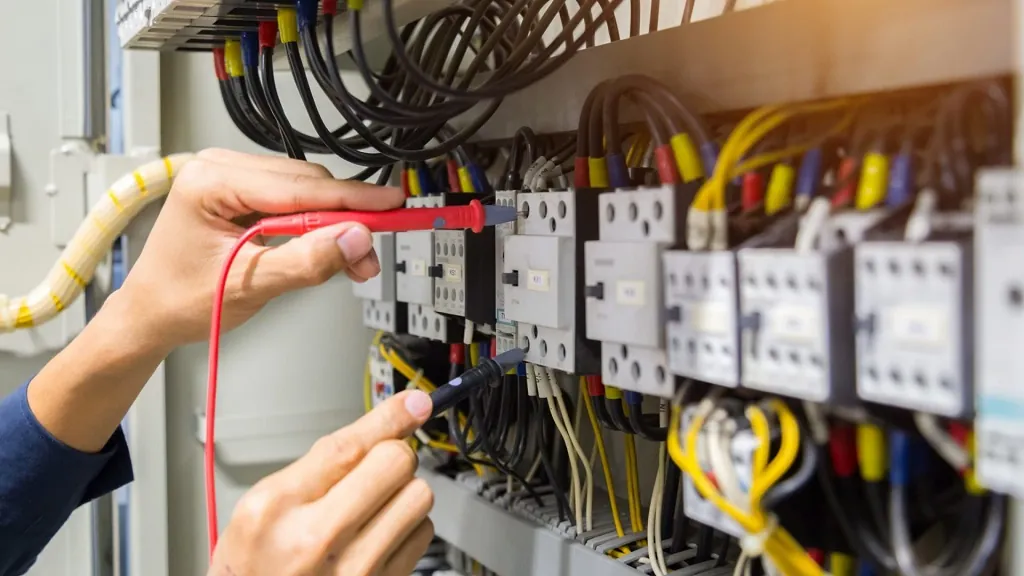
Panel replacement at the same size — swapping an old, damaged or recalled panel for a new one with the same amperage. These are usually completed in a day: your electrician schedules the disconnect with SDG&E, replaces the panel, passes the city inspection and SDG&E reconnects.
Service upgrade — increasing the capacity coming into your home, most commonly from 100A to 200A, to support EV chargers, heat pumps, batteries, induction cooking or an addition. SDG&E has to review these requests because its service wires, meter or transformer may need to change too.
Step by step
- Site visit and load calculation. We look at your existing panel, meter, service conductors and what you plan to add, and run a load calculation per the electrical code (NEC Article 220). This decides whether you need a bigger service or whether load management will do.
- Fixed quote and scope. Panel or meter-panel combination, any grounding and bonding corrections, circuits to move, and whether the service location changes.
- Permit. We pull the electrical permit with your city (San Diego, Chula Vista, Carlsbad, etc.) or the County for unincorporated areas.
- SDG&E request (service upgrades). The request is submitted through SDG&E's builder services process. SDG&E assigns a project manager, reviews the design and load, and lets you know about any fees or utility-side work.
- SDG&E preparation. SDG&E orders materials, surveys the site if needed and schedules crews for any utility-side changes.
- Installation day. SDG&E disconnects power, we install the new panel, and the city inspector signs off. Plan for the power to be off most of the day.
- Reconnect and energize. After the inspection release, SDG&E sets the meter and restores power. We label the new panel and walk you through it.
How long does it take?
SDG&E's energization timeline guide lists a target of 30 business days on average and 45 business days maximum for main panel upgrades, measured from when your request is complete. Same-size panel replacements that don't need utility engineering are often scheduled much faster. Permit turnaround varies by city.
What affects the cost
- Service size and whether the meter/panel combination must be replaced
- Moving the service location or trenching for underground service
- Grounding, bonding and code corrections found on older homes
- Any utility-side work SDG&E requires
- Drywall or stucco patching around the panel
Tips to avoid delays
- Decide on future loads now — EV charger, battery, heat pump, spa — so the service is sized once.
- Keep the panel and meter area clear and accessible for SDG&E and the inspector.
- Ask about load management first: sometimes a smart panel or charger load sharing avoids a service upgrade entirely.
Common questions