Key takeaways
- A NEMA 14-50 outlet with Tesla's Mobile Connector maxes out at 32 A, about 23–30 miles of range per hour depending on the model.
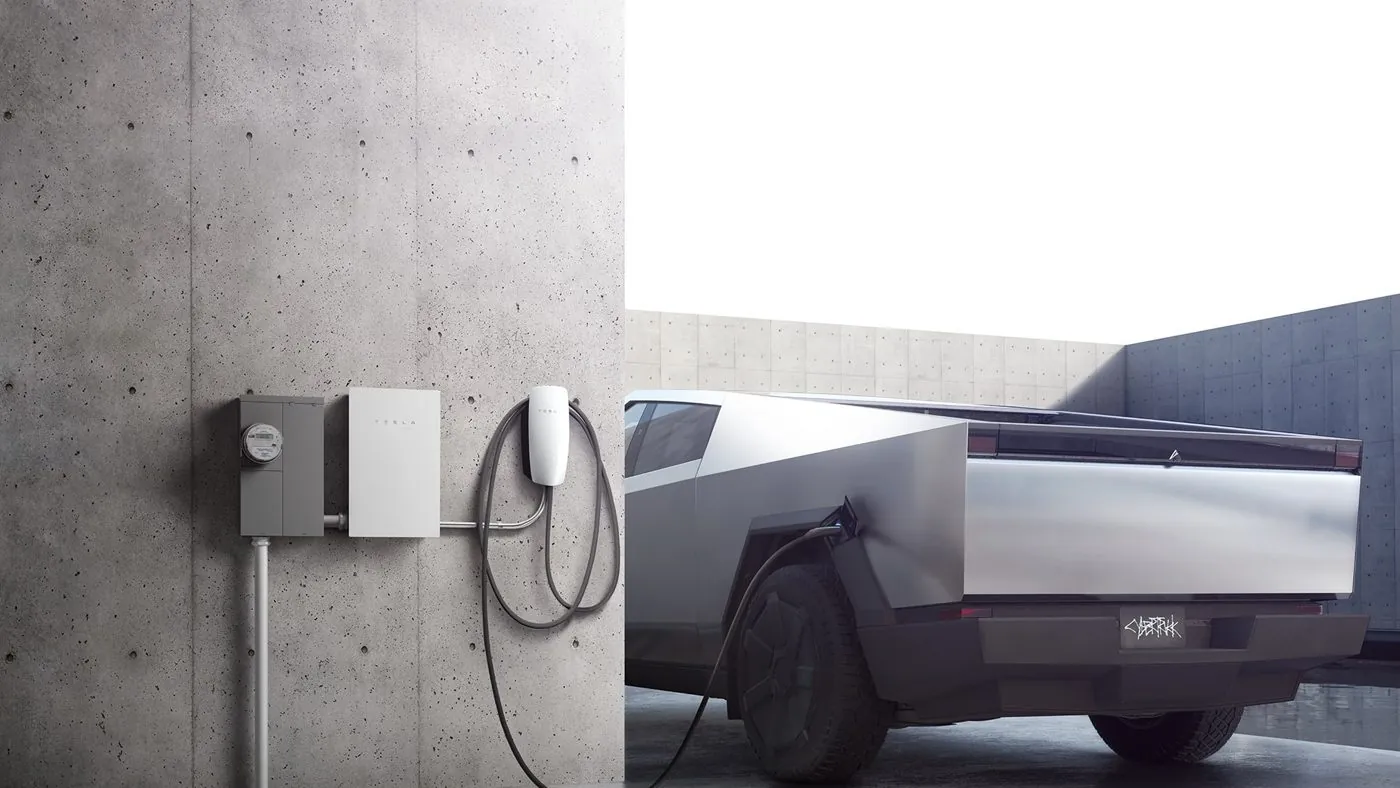
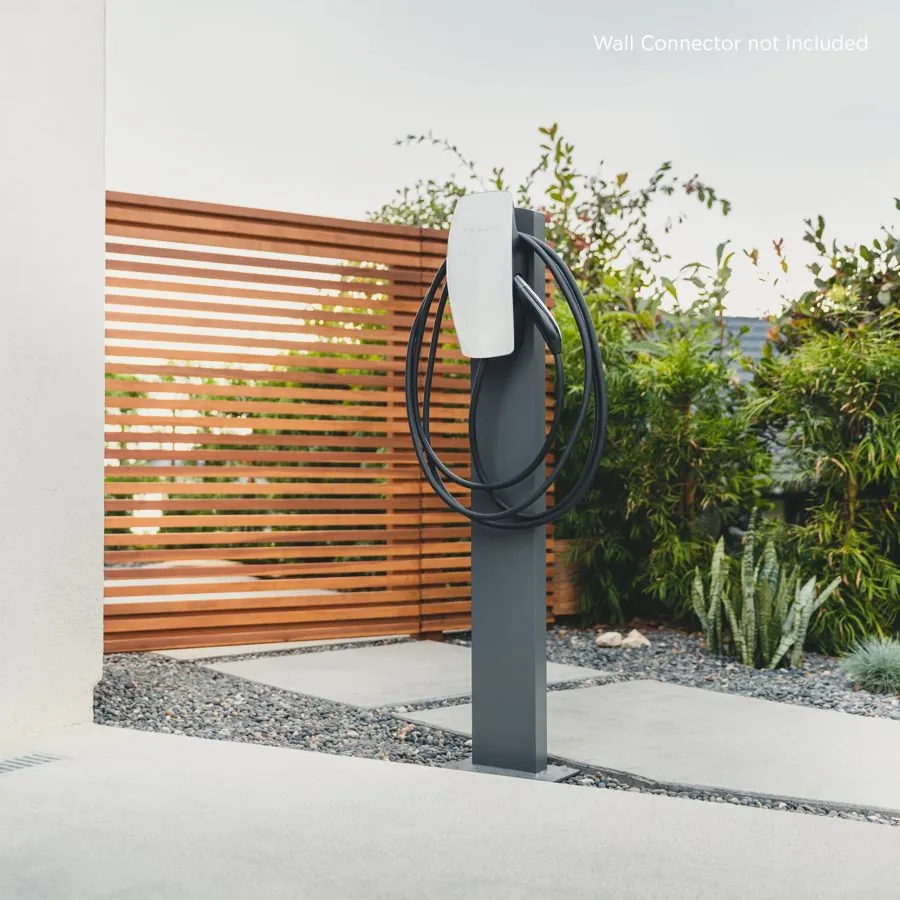
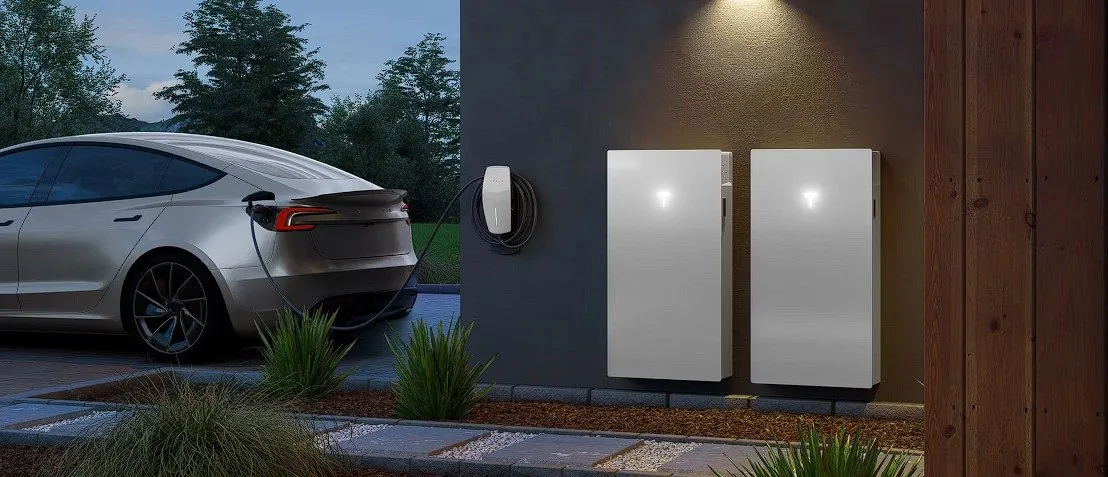
- A Wall Connector charges at up to 48 A (11.5 kW), about 44 miles per hour, and adds Wi-Fi, firmware updates and power sharing.
- Electrical code requires GFCI protection for 240-volt garage receptacles and EV charging outlets. Some portable chargers nuisance-trip on GFCI breakers; a hardwired charger has built-in protection and avoids this.
- Daily EV charging is a continuous load that heats plugs and receptacles. A hardwired connection, torqued to spec, removes that weak point.
- Tesla itself calls the Wall Connector its recommended home charging solution.
The short answer
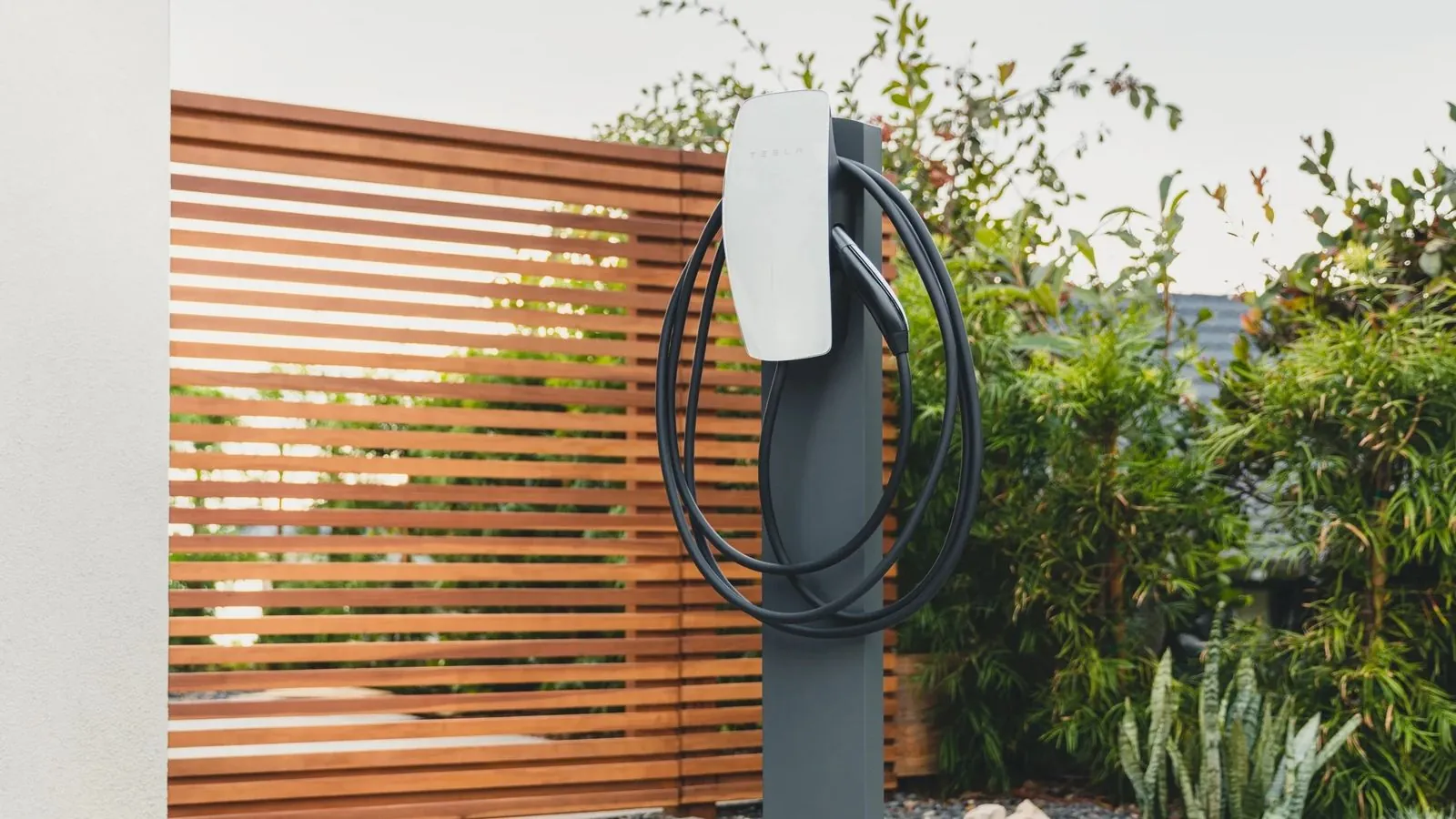
For a home where you'll charge most nights, we recommend a hardwired Tesla Wall Connector. It's faster, smarter and avoids the two most common outlet problems: overheated receptacles and GFCI nuisance trips. A NEMA 14-50 outlet still makes sense if you're renting, need to plug in different equipment, or only charge occasionally.
Side-by-side comparison
| Factor | Wall Connector (hardwired) | NEMA 14-50 + Mobile Connector |
|---|---|---|
| Max charging current | 48 A (on a 60 A circuit) | 32 A (on a 50 A circuit) |
| Range added per hour | About 44 miles | About 23–30 miles (Tesla figures by model) |
| Conductors | L1, L2, ground. No neutral | L1, L2, neutral, ground |
| GFCI | Built into the charger | GFCI breaker required at the receptacle; possible nuisance trips |
| Wear points | None. Wired directly to the circuit | Plug and receptacle under heavy daily load |
| Smart features | Wi-Fi, firmware updates, power sharing for up to 6 units | Scheduling only through the car |
| Flexibility | Fixed location | Unplug and take it with you |
The GFCI issue, explained
Newer editions of the electrical code adopted in California require GFCI protection for 240-volt receptacles in garages and outdoors, and for receptacles that supply EV chargers. That's a good safety rule. But portable EV chargers have their own internal ground-fault protection, and the two can interact, causing a breaker to trip in the middle of the night. A hardwired Wall Connector isn't a receptacle, so it doesn't need a separate GFCI breaker and avoids this conflict.
Why receptacle quality matters
Charging an EV pulls high current for hours, night after night. That's harder on a receptacle than a dryer or range ever is. Contact resistance in a worn or budget receptacle turns into heat, and loose terminations are a common cause of melted plugs. If you go the outlet route, use an industrial-grade receptacle, torqued to spec by a licensed electrician, and inspect it periodically.
Which should you choose?
- Wall Connector if you own the home, charge daily, have two EVs (power sharing), or want the fastest home charging.
- NEMA 14-50 if you rent, want a flexible outlet for an RV or a different charger, or only charge occasionally.
- Either way, the load calculation, circuit and permit are the same kind of work. See Wall Connector installation: circuit, wire and code requirements.
Looking for a price?
Every installation depends on your panel, wiring route and equipment choices, so we don't publish prices. A licensed C-10 electrician will look at your home and give you a written estimate.
Request a Wall Connector estimate →Common questions