Key takeaways
- Often yes — the load calculation decides, not the panel label.
- A charger on a 40A circuit (32A charging) adds roughly 25–30 miles of range per hour, enough for most daily driving.
- Energy management systems and chargers with dynamic load management can reduce charging automatically when the home is busy.
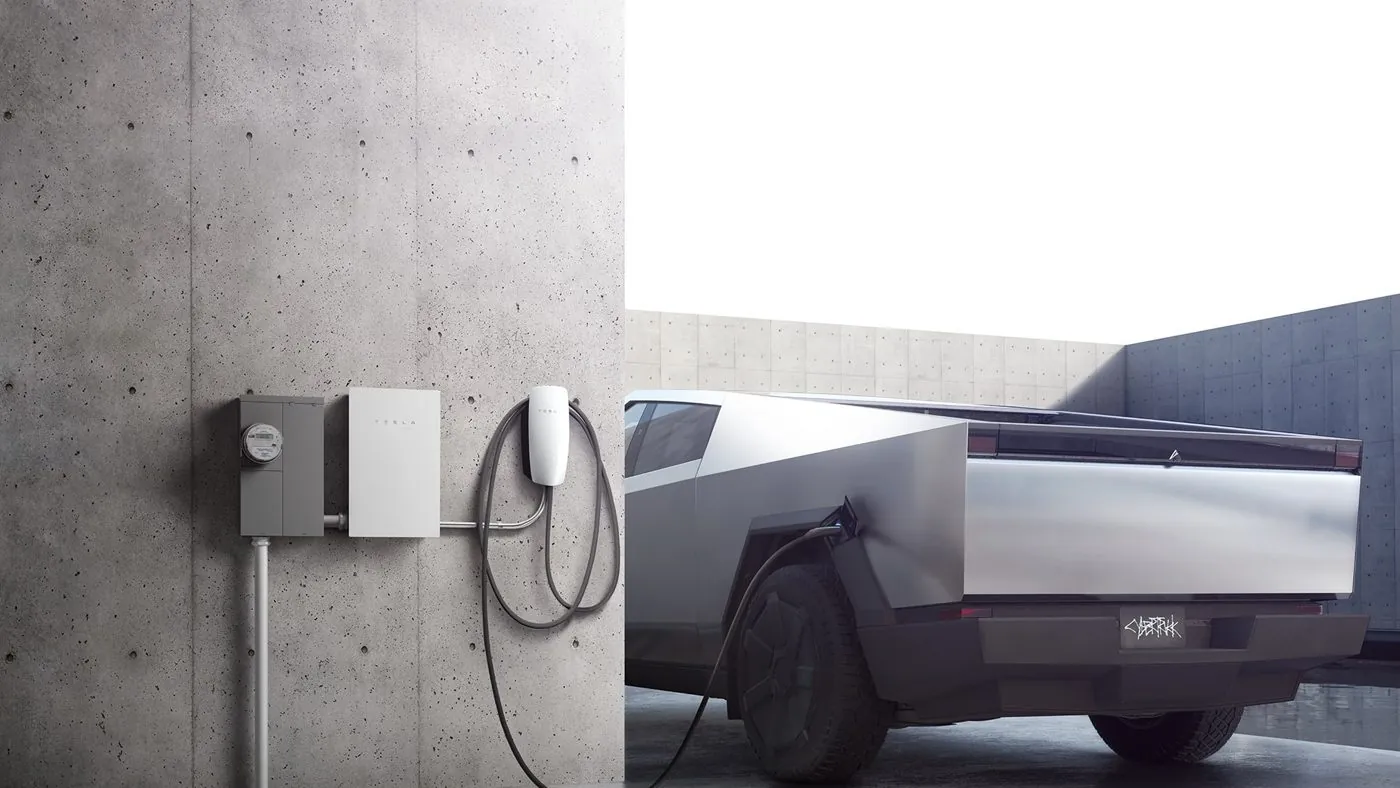
- Two EVs can share one circuit using two power-sharing chargers, such as Tesla Universal Wall Connectors.
- If the panel has no physical space, a subpanel or smart panel may still avoid a service upgrade.
Start with a load calculation
We add up your home's existing loads using the electrical code's method and compare the result to your service size. The gap is the capacity available for EV charging. Many 100A and 125A homes in San Diego have enough for a Level 2 charger, especially with gas heating and cooking.
Five ways to avoid a service upgrade
- Right-size the charger. A 40A circuit charging at 32A adds roughly 25–30 miles per hour, so a typical commute is replaced in a couple of hours overnight.
- Use an energy management system. Devices that monitor your main service can turn charging down or pause it when the dryer, oven or A/C is running. The electrical code allows the load calculation to account for these systems.
- Share power between two EVs. Two chargers with power sharing can split one circuit between two cars instead of needing two full circuits.
- Add a smart panel or subpanel when the issue is breaker space rather than total capacity.
- Swap in efficient appliances — for example a heat pump water heater on a smaller circuit — to free up capacity.
When an upgrade is still the right call
- Two EVs and a heat pump or induction range planned soon
- Solar and battery plans that the existing panel can't accept
- An old or damaged panel that should be replaced anyway
If that's you, it's usually cheaper to upgrade once than to add workarounds now and upgrade later. Read Do I need a 200-amp panel?
What we check on site
- Service size, panel condition and available breaker spaces
- Distance from the panel to the parking spot
- Your daily miles and whether a second EV is coming
- Existing big loads: A/C, pool, spa, dryer, water heater
Common questions
Common circuits are 40A (32A charging) and 60A (48A charging). Many drivers are well served by 32A or less.
Not if it is sized from a proper load calculation or controlled by load management, which limits charging when the home is using more power.
Yes. Two chargers that support power sharing, such as Tesla Universal Wall Connectors, can share one circuit and split the power between the cars.

Reviewed by
Christian Correia Lopes — owner of CL Electric and licensed California C-10 electrical contractor (CSLB #1123510). CL Electric is a Tesla Certified Installer, Loxone Certified Installer and Generac Aligned Contractor serving San Diego and Orange County. LinkedIn · Verify license at CSLB